
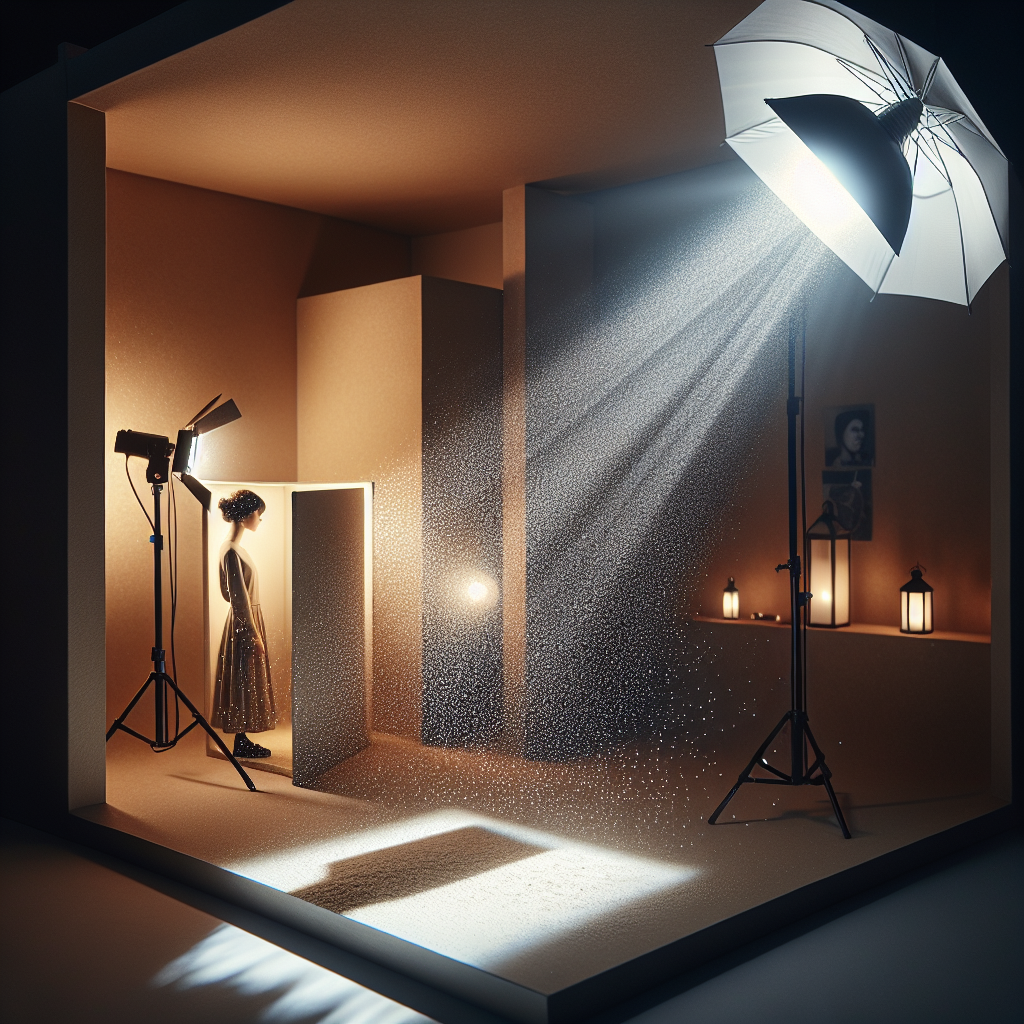
Softbox vs Umbrella: The Practical Lighting Showdown
Choosing between a softbox and an umbrella seems simple until you set up your first home studio. Both promise soft light, both attach to your light stand, and both appear in every “starter kit” online. Yet they behave very differently once a subject sits under them.
This guide breaks down softbox vs umbrella lighting in practical terms so you can make the right call for portraits, product shots, video, and small rooms without wasting money.
Softbox vs Umbrella: Key Differences at a Glance
Before diving into details, it helps to see how these studio lighting options compare on the basics: softness, spread, control, and setup.
Comparison Table: Softbox vs Umbrella Lighting
FeatureSoftboxUmbrellaLight softnessVery soft when large and closeSoft, often a bit harsher at same sizeLight spreadDirectional, controlled beamVery wide, spills across roomControl over spillHigh (with grids, flags, shape)Low, needs extra flags or distanceShape of catchlightRectangular, square, strip, octagonalRound or slightly ovalSetup timeSlower, more parts, some models complexVery fast, opens like a rain umbrellaPortabilityBulkier, more rigidLight, compact when foldedDurabilityGenerally more robustVaries; cheap ones bend or tear easilyBest for small roomsYes, because spill is easier to controlTricky, often bounces off every surfaceBest for photo portraitsExcellent, especially for controlled lookGreat for quick, soft light on a budgetBest for videoVery good, consistent and controllableUsable, but spill and reflections can be an issue
A concrete example: a 90 cm (36-inch) octagonal softbox placed 1 meter from a subject will give soft, wraparound light with a clear falloff behind them. A 40-inch shoot-through umbrella at the same distance will light the subject and also the background, the ceiling, and half the room.
How Softboxes Shape Light
Softboxes are essentially boxes or shells that force light to travel forward through diffusion panels. That shape and control let you sculpt the light instead of just brightening the room.
Softness and Quality of Light
Softness comes from apparent size relative to the subject. A large softbox close to a face creates gentle transitions from highlight to shadow. Wrinkles look smoother, skin texture softens, and shadows under the nose and chin become less harsh.
For example, a 60×90 cm rectangular softbox used horizontally at arm’s length from a headshot subject gives an even glow across both cheeks. The shadow on the far cheek still exists, but it fades gradually instead of forming a hard edge.
Softboxes also let you choose shape:
-
Rectangular or square: Classic for portraits and product photography.
-
Strip: Tall and narrow, ideal for rim light on a model’s side or glossy product edges.
-
Octabox: Eight-sided, popular for beauty work because of the natural-looking catchlights.
Spread and Control
The biggest advantage in the softbox vs umbrella debate is control. A softbox sends most of the light forward, especially when the interior is lined with silver or white reflective material and the sides are opaque.
You can add a grid to the front of a softbox to narrow the beam even more. This keeps light off the background, the floor, and nearby walls. In a room with white walls, that control stops unwanted bounce that flattens contrast.
A real-world example: in a 3×4 meter bedroom studio, a 70 cm octabox with a grid can light a subject from the side while leaving the opposite wall almost dark. The same light in an umbrella will bounce around and raise the overall brightness of the room.
Setup Time and Handling
Softboxes take longer to assemble. Many budget models use rods that must be bent into a speedring. This can be awkward the first few times. Quick-fold or umbrella-style softboxes collapse like an umbrella and speed things up.
Once built, a softbox usually stays mounted on its speedring. That makes future setups faster, but storage becomes bulkier.
In a small apartment, a 90 cm softbox with rods might live under a bed or in a closet fully assembled. Setup then becomes a matter of mounting it on the stand and attaching the light, which takes a couple of minutes.
When a Softbox Shines
-
Portrait sessions where you want consistent, repeatable lighting.
-
Product photography where shape, reflection, and highlight placement matter.
-
Video interviews in tight spaces where you must control spill and reflections.
Think of a softbox as a precision tool. It takes a bit more effort but rewards you with predictable, controllable light.
How Umbrellas Shape Light
Umbrellas do one thing extremely well: they turn a small light into a big glowing source with almost no setup time. The trade-off is control.
Softness and Quality of Light
Umbrellas come in two main types:
-
Shoot-through: White translucent fabric; the light passes through toward the subject.
-
Reflective: Silver, white, or gold interior; the light points away from the subject and bounces back.
Shoot-through umbrellas create a broad, soft wash of light. Because some light leaks out the sides and back, they behave almost like a glowing bubble in the room. Reflective umbrellas are slightly more directional, especially silver ones, and can appear a bit punchier.
For a concrete example, place a 33-inch shoot-through umbrella about 80 cm from a person’s face. The light wraps nicely, but it also brightens the background and floor. A silver reflective umbrella at the same distance will give more contrast and crisper shadows, useful if you want a bit more drama in a portrait.
Spread and Control
Umbrellas send light everywhere. Even reflective models spill a lot compared with softboxes. In a large studio with dark walls, this is not a big problem. In a small room with white walls, it means uncontrolled bounce.
This wide spread can be useful. For a quick group photo in a living room, a large umbrella can light three or four people with just one stand. For a single headshot where you want the background darker, it becomes a limitation.
Photographers often try to control umbrella spill by:
-
Moving the umbrella closer to the subject and lowering power.
-
Flagging off parts of the umbrella with black fabric.
-
Using black-backed shoot-through umbrellas.
These tricks work, but they add complexity that softboxes handle more elegantly by design.
Setup Time and Handling
Umbrellas win the setup race. They open and close like a rain umbrella. You slide the shaft into the light’s holder, tighten one knob, and you are ready.
A beginner with a speedlight and a 33-inch umbrella can go from bag to first test shot in under a minute. This speed is especially valuable on location, where time and space are limited.
Umbrellas also pack down small. A 40-inch model slides into a backpack or light stand bag. This makes them a favorite for travel and run-and-gun work.
When an Umbrella Shines
-
Quick portraits at events where you have only a few minutes per subject.
-
Simple home setups when you just want softer light than bare flash.
-
On-location shoots where speed and portability matter more than precision.
Think of an umbrella as a fast, forgiving tool. It is not subtle, but it gets you soft light with minimal fuss.
Softbox vs Umbrella for Photography: Practical Use Cases
When looking at photography lighting comparison examples, context matters more than theory. The same modifier can be perfect in one scenario and a headache in another.
Portrait Photography
For controlled portrait sessions, softboxes tend to be the better choice.
A 60×90 cm softbox placed at 45 degrees to the subject and slightly above eye level will create a classic Rembrandt or loop lighting pattern. The rectangular shape makes it easy to angle the light so it skims across the face while avoiding the background.
With an umbrella, the same setup works, but the background brightens more. In a small home studio, that often means losing separation between subject and background. To fix this, you either move the subject farther from the wall or add flags, both of which require more space.
For beauty portraits, an octabox or large umbrella placed directly in front and above the subject works well. The soft, even light flatters skin and reduces blemishes. Here, the softbox vs umbrella choice is less critical, but the octabox still offers better control if you want the background to stay darker.
Product Photography
Product work rewards control. Reflections, edges, and highlight shape matter a lot.
Softboxes, especially strip and rectangular models, allow you to create clean, defined highlights on bottles, electronics, and glossy packaging. You can position a strip softbox along the side of a glass bottle to produce a long, smooth highlight that outlines its shape.
Umbrellas struggle here. Their round, uncontrolled reflections can look messy on reflective surfaces. You can still use umbrellas for matte products, but you will fight unwanted reflections more often.
Event and On-Location Portraits
At events or outdoor sessions, umbrellas regain some advantage.
A 40-inch shoot-through umbrella with a speedlight can quickly turn harsh midday sun into softer fill. You can set up a simple one-light portrait station at a corporate event in minutes. Tear-down is just as quick.
A softbox on location gives more polish but slows you down. Rod-based models are awkward to assemble in wind or rain. Quick-fold softboxes reduce this problem but cost more.
For roaming event work, an umbrella is usually the simplest studio lighting option that still improves the look of your flash significantly.
Softbox vs Umbrella for Video
Continuous lighting for video introduces new constraints: reflections in eyes and glasses, light spill on backgrounds, and the need for consistent exposure over time.
Key Light for Talking-Head Video
For a seated talking-head setup, a medium softbox (around 70–90 cm) is often the best choice. It gives a soft, controlled key light that does not flood the entire room.
Place the softbox at about 45 degrees to the subject, slightly above eye level, and angle it down. This creates natural-looking shadows that add depth without being harsh. The rectangular or octagonal catchlights in the eyes look clean on camera.
An umbrella in the same spot will still soften the light, but it tends to brighten the background and ceiling. That makes it harder to keep attention on the subject, especially in small rooms.
Managing Reflections and Spill
Video exposes every stray reflection. A white ceiling lit by an umbrella can bounce light back onto the subject from above, creating unflattering top light. A reflective picture frame on the wall may catch a bright umbrella reflection.
Softboxes reduce these issues by sending most of the light forward. Add a grid, and the beam narrows even more. This helps keep light off the background, windows, and reflective decor.
For example, in a 3×3 meter office, a 65 cm softbox with a grid can light a presenter without blasting light onto the whiteboard behind them. A shoot-through umbrella in the same room often lights both the presenter and the whiteboard, making the background distracting.
Sound and Heat Considerations
Modern LED panels and COB lights run cooler than older tungsten fixtures, but diffusion still matters.
Softboxes designed for continuous lights often have better heat resistance and more solid mounting points. They can stay on for hours without deforming. Cheap umbrellas may warp or discolor if used too close to hot lights, though with LED this is less of a concern.
For video, where the light stays on for the entire recording, a sturdy softbox designed for continuous use is usually the safer, more stable option.
Lighting in Small Rooms and Home Studios
Small rooms amplify the differences between softbox vs umbrella modifiers. White walls, low ceilings, and limited distance from subject to background make spill control critical.
Controlling Spill in Tight Spaces
In a 2.5×3 meter bedroom, a shoot-through umbrella tends to light everything. The subject, background, ceiling, and even the door get illuminated. This reduces contrast and makes it harder to create depth.
A softbox, especially with a grid, keeps more light on the subject and less on the surroundings. You can place a 60 cm softbox about 80 cm from the subject and still keep the far wall relatively dark.
If you must use an umbrella in a small room, reflective models with black backing help slightly because they avoid sending light backward. Position them as close as possible to the subject and lower the power to reduce bounce.
Ceiling Height and Wall Color
Low, white ceilings act like giant reflectors. An umbrella aimed slightly upward will bounce a lot of light off the ceiling, creating top light and flattening shadows.
A softbox aimed more directly at the subject sends less light upward. This gives you more control over the direction of light and the mood of the image.
If your walls are dark gray or covered with sound panels, umbrellas become more usable because there is less unwanted bounce. In most home studios with light walls, softboxes remain the more predictable choice.
Example Small-Room Setup
A practical small-room portrait setup could look like this:
-
60×90 cm softbox with grid as the key light, 45 degrees to the subject.
-
White foam board opposite the key as a reflector for gentle fill.
-
Subject about 1 meter from the background.
This arrangement creates soft, directional light with some separation from the background. Try the same setup with a shoot-through umbrella and the background will often brighten significantly, reducing depth.
Recommendations for Beginners on a Budget
New photographers and videographers often face tight budgets and limited space. The goal is to buy gear that teaches good lighting habits and does not need replacing immediately.
Starter Priorities
For most beginners, it makes sense to start with one main modifier and learn it thoroughly. Between softbox vs umbrella, the better long-term teacher is usually a softbox because it emphasizes direction and control.
However, umbrellas are cheaper and faster. A balanced approach can work:
-
Start with one affordable umbrella kit if budget is extremely tight.
-
Upgrade to one medium softbox as soon as possible for more control.
Budget-Friendly Softbox Choices
Look for:
-
A quick-fold or umbrella-style softbox around 60–90 cm.
-
Compatibility with your light mount (Bowens is common for many budget LED and strobe lights).
-
At least one inner and one outer diffusion layer for smoother light.
A 70 cm octabox or 60×90 cm rectangular softbox will handle portraits, product shots, and talking-head video well. If you can afford a grid, choose a kit that includes one.
Budget-Friendly Umbrella Choices
If funds are limited or you need ultra-fast setup, umbrellas still have a place.
A simple starter kit could include:
-
One 33–40 inch shoot-through umbrella.
-
One 40 inch reflective umbrella (white or silver).
This pair lets you choose between very soft, broad light and slightly more directional, contrasty light. Paired with a single speedlight or budget strobe, you can shoot portraits, small groups, and basic product photos.
Practical Buying Scenarios
Scenario 1: Very tight budget, first light modifier
-
Buy a 33–40 inch shoot-through umbrella and a basic light stand.
-
Use it for portraits, simple product shots, and casual video.
-
Learn how distance and angle affect softness and shadows.
Scenario 2: Small room, interest in both photo and video
-
Skip umbrellas initially.
-
Buy a 70–90 cm softbox compatible with an LED or strobe you already own or plan to buy.
-
Add a grid when possible to control spill.
Scenario 3: On-location portraits and events
-
Start with a reflective umbrella for speed and portability.
-
Add a collapsible softbox later for more polished portraits.
In every scenario, learning to place the light correctly matters more than the exact modifier. A well-placed umbrella beats a poorly used softbox, but a well-placed softbox gives you more creative options.
FAQ: Softbox vs Umbrella Lighting
Is a softbox or umbrella better for beginners?
For long-term growth, a medium softbox is usually better because it teaches control over direction and spill. For the lowest possible cost and fastest setup, a shoot-through umbrella is easier. Many beginners start with an umbrella, then move to a softbox once they understand basic lighting.
Which is softer: softbox or umbrella?
Softness depends on size and distance more than type. At the same size and distance, a shoot-through umbrella often feels slightly softer because it spreads light wider. A softbox can match or exceed this softness if it is large and placed close, while also giving better control.
Are umbrellas good for small rooms?
Umbrellas work in small rooms, but they tend to light everything, including walls and ceilings. This can flatten contrast and reduce subject-background separation. Softboxes, especially with grids, are usually easier to manage in tight spaces.
Do I need both a softbox and an umbrella?
Not at the beginning. One good softbox or one good umbrella is enough to learn core lighting principles. Over time, adding the other gives you flexibility: umbrellas for speed and coverage, softboxes for precision and control.
Which is better for video: softbox vs umbrella?
Softboxes are generally better for video because they keep light off the background and reduce reflections in unwanted areas. A softbox with a grid is particularly useful for talking-head setups and interviews in small rooms.
What size softbox should a beginner buy?
For portraits and video, a softbox between 60 and 90 cm works well. A 70 cm octabox or a 60×90 cm rectangular softbox is a versatile starting point that fits most small studios and home offices.
Can umbrellas be used with continuous LED lights?
Yes. Most umbrellas work fine with LED lights because LEDs run relatively cool. Just ensure the umbrella shaft fits securely in the light’s holder and does not block ventilation.
Are there hybrid options between softbox and umbrella?
Umbrella-style softboxes fold and open like umbrellas but behave more like softboxes. They combine fast setup with better control, making them a strong choice for beginners who want the speed of an umbrella and the look of a softbox.
For most home studios and small video setups, a single medium softbox becomes the most useful first modifier. Umbrellas still have a valuable role for fast, budget-friendly lighting, but when precision and control matter, the softbox usually wins the softbox vs umbrella debate.


Leave a Reply